Florals and Colour: The Delightful Impact of Intentional Color Play in Floristry
- Vanessa Hamm

- Jun 4
- 3 min read
Flowers have long been admired for their natural beauty, but the role of color in floristry goes far beyond simple aesthetics. Choosing the right colors can transform an arrangement, evoke emotions, and tell a story. Understanding how color works in floral design allows both professionals and enthusiasts to create meaningful, memorable displays. This post explores why color matters in floristry and offers ways to discover what colors mean to you.
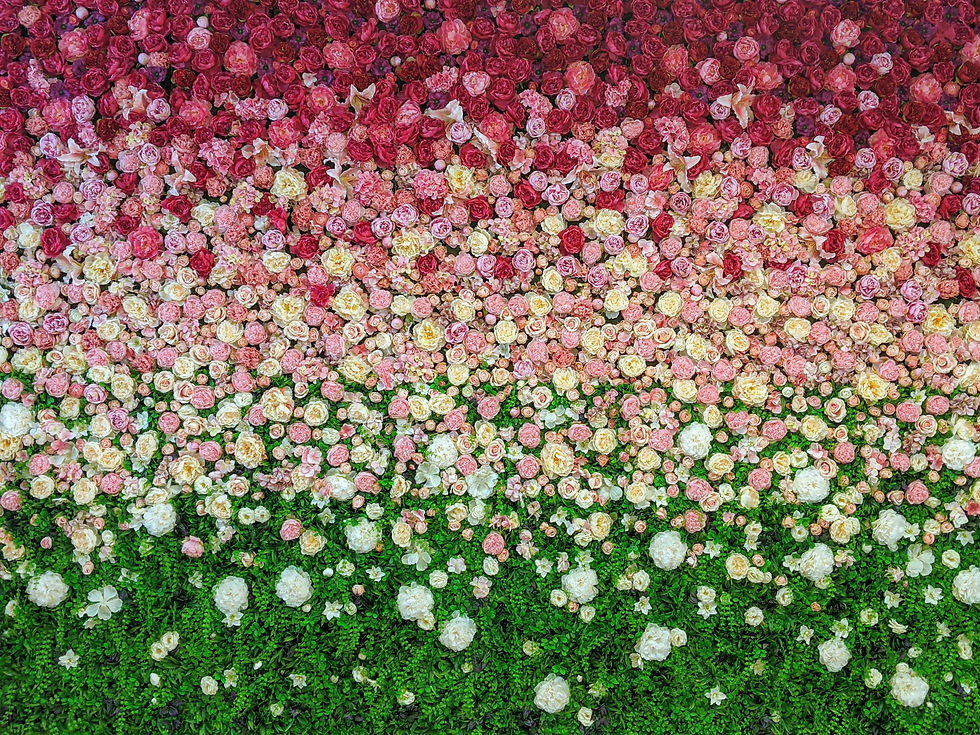
Why Color Matters in Floral Arrangements
Color influences how we perceive and respond to flowers. It can set the mood, highlight certain blooms, and create harmony or contrast. When florists choose colors intentionally, they guide the viewer’s eye and evoke specific feelings.
Mood setting: Warm colors like reds, oranges, and yellows often feel energetic and passionate. Cool colors such as blues, purples, and greens bring calmness and serenity.
Symbolism: Different colors carry cultural and emotional meanings. For example, red roses symbolize love and passion, while white lilies often represent purity.
Balance and harmony: Using complementary or analogous colors can create pleasing arrangements that feel balanced and cohesive.
Highlighting focal points: Bright or contrasting colors can draw attention to specific flowers or areas within a design.
Floristry is not just about picking pretty flowers; it’s about crafting an experience through color.
Exploring What Colors Mean to You
Everyone has personal associations with colors based on memories, culture, and personality. Exploring these connections can help you choose floral colors that resonate deeply.
Reflect on emotions: Think about how different colors make you feel. Do you find blue calming or sad? Does yellow energize or overwhelm you?
Consider occasions: Different events call for different color moods. Soft pastels suit weddings, while bold reds and oranges might fit a festive celebration.
Experiment with palettes: Try creating small arrangements using various color combinations. Notice which ones feel right or spark joy.
Learn color theory basics: Understanding concepts like warm vs. cool colors, complementary colors, and monochromatic schemes can guide your choices.
Use nature as inspiration: Observe flowers in gardens or wild settings. Notice how colors blend naturally and which combinations appeal to you.
By tuning into your own responses, you can create floral designs that feel authentic and meaningful. The best part? Have fun exploring the process of playing with colors and see how they resonate in your mind and heart.

Practical Tips for Using Color Intentionally in Floristry
Applying color knowledge to your floral work can elevate your designs. Here are some practical tips:
Start with a color story: Decide on a theme or mood before selecting flowers. This keeps your arrangement focused.
Use a limited palette: Too many colors can feel chaotic. Stick to two or three main colors plus neutrals.
Mix textures and shapes: Color works best when paired with varied flower forms and foliage.
Consider the environment: Match your colors to the setting or event décor for a cohesive look.
Balance bold and soft tones: Combine intense colors with muted shades to avoid overwhelming the eye.
Test in natural light: Colors can look different indoors and outdoors. Check your arrangement in the intended space.
For example, a spring bouquet might combine soft pink tulips, white daisies, and green foliage for a fresh, gentle look. A fall centerpiece could use deep reds, burnt oranges, and golden yellows to evoke warmth.
The Emotional Power of Color in Floristry
Color in flowers can communicate feelings without words. This emotional power makes floristry a unique art form.
Joy and celebration: Bright yellows and oranges bring cheer and energy.
Romance and passion: Reds and deep pinks express love and desire.
Peace and reflection: Blues, whites, and lavenders invite calm and contemplation.
Sympathy and remembrance: Soft whites and muted tones offer comfort.
Choosing colors allows you to connect with others on a deeper level through your floristry. But most importantly, color gives a depth, intentionality and richness to the process of creating florally.


Comments